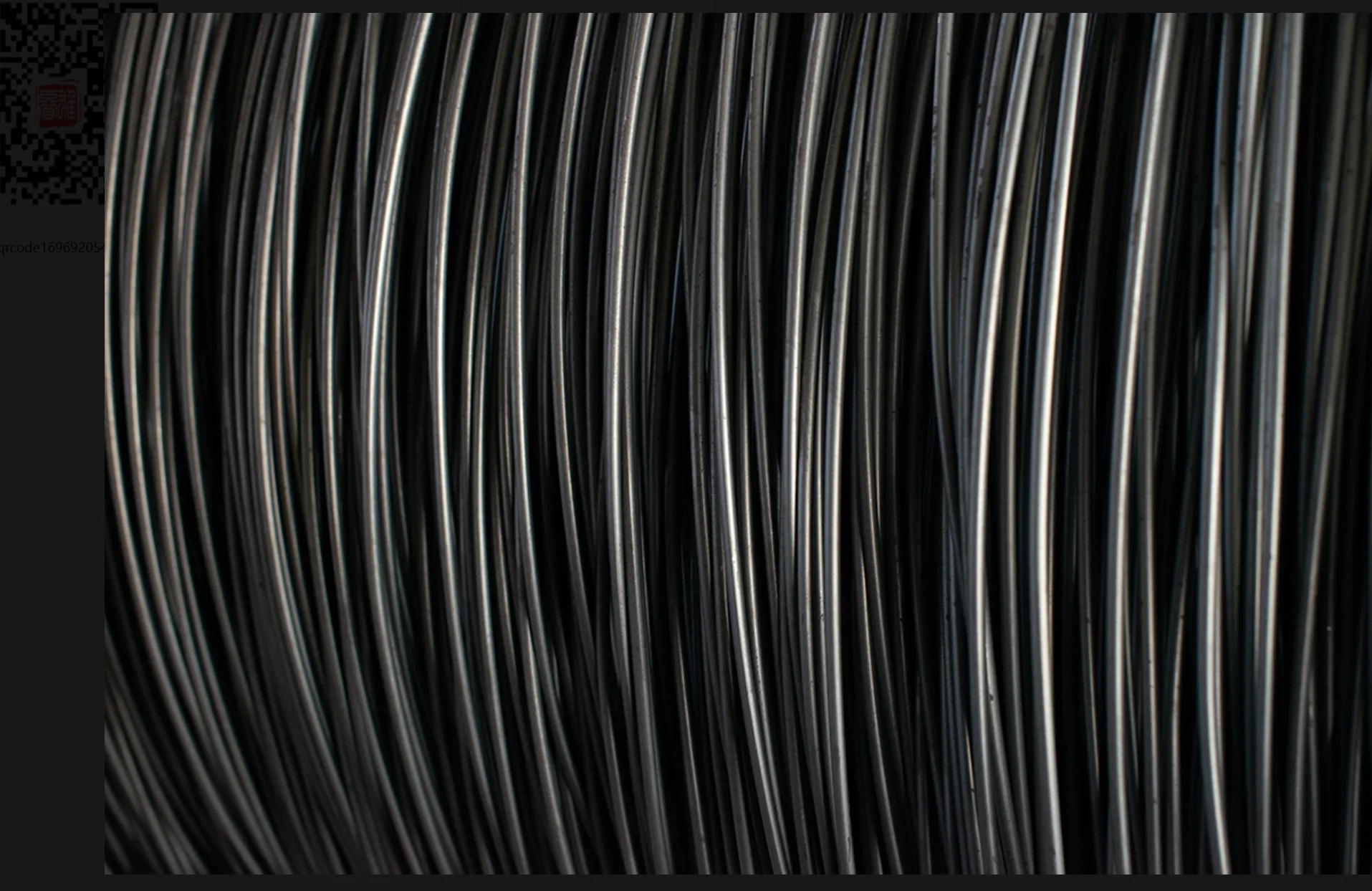
Analysis of trends in China's cold heading steel industry
The upstream of the cold-heading steel industry chain primarily comprises raw materials such as iron ore, scrap steel, and alloying elements; the midstream consists of the cold-heading steel production stage. Cold-heading steels must exhibit excellent cold forging performance, with reduced levels of impurities like sulfur and phosphorus, and stringent surface quality requirements. High-quality carbon steels are often employed, and when the carbon content exceeds 0.25%, spheroidizing annealing is typically carried out to enhance cold-forming characteristics. Downstream, deep-processed products include high-strength fasteners, as well as automotive and electrical–mechanical connectors, along with bolts, nuts, screws, and other fastening components.
Future development trends in China’s cold-heading steel industry are likely to encompass environmental protection and industrial upgrading, growing demand and product refinement, and technological innovation coupled with increased R&D investment. Throughout this process, cold-heading steel manufacturers must closely monitor market dynamics and consumer needs, continuously innovate their product portfolios, and expand market reach to align with industry trends and strengthen their competitive edge.
1. Green Development: Against the backdrop of increasingly stringent environmental regulations, green practices have become an inevitable trend in the cold-heading steel sector. By implementing energy conservation and emissions reduction measures, as well as promoting resource recycling, the industry can advance toward sustainable growth.
2. Intelligent Manufacturing: With the ongoing advancement of Industry 4.0, intelligent manufacturing will emerge as a key direction for the cold-heading steel industry. The integration of IoT, big data, and artificial intelligence will enable automation, digitalization, and smart operations, thereby enhancing production efficiency and product quality.
3. High-Quality Products: As downstream industries place ever-higher demands on product quality, premium-grade cold-heading steels will become the dominant market preference. By elevating product standards and performance, manufacturers can increase product value-added and bolster market competitiveness.
4. Innovation and R&D: Strengthening innovation and research is pivotal to the industry’s development. Through targeted technological breakthroughs and independent R&D, critical core technologies can be mastered, fostering greater self-reliance in innovation and driving scientific and technological progress in the cold-heading steel sector.
5. Expansion into New Application Areas: Actively exploring emerging fields—such as new energy, electric vehicles, and high-end equipment manufacturing—will inject fresh momentum into the cold-heading steel industry. Simultaneously, developing high-performance cold-heading steel grades tailored to these new applications will help meet evolving market needs.